Table of Contents

National Election Literacy Campaign

National Election Literacy Campaign

The revolutionary Gen Z protest on September 8 led to the formation of Interim Government followed by a dissolution of parliament. While, as a nation and generation, we are grieving the loss of dozens of youths who sacrificed their lives for the brighter future of the country, we must equally muster our strength to turn the upcoming election in our favor.

Only if we could have a parliament with leaders who are capable, visionary, and authentic, will we be able to do justice to the sacrifice of our friends. And that completely depends on with how much awareness and conscience the Nepali citizens participate in the electoral process.

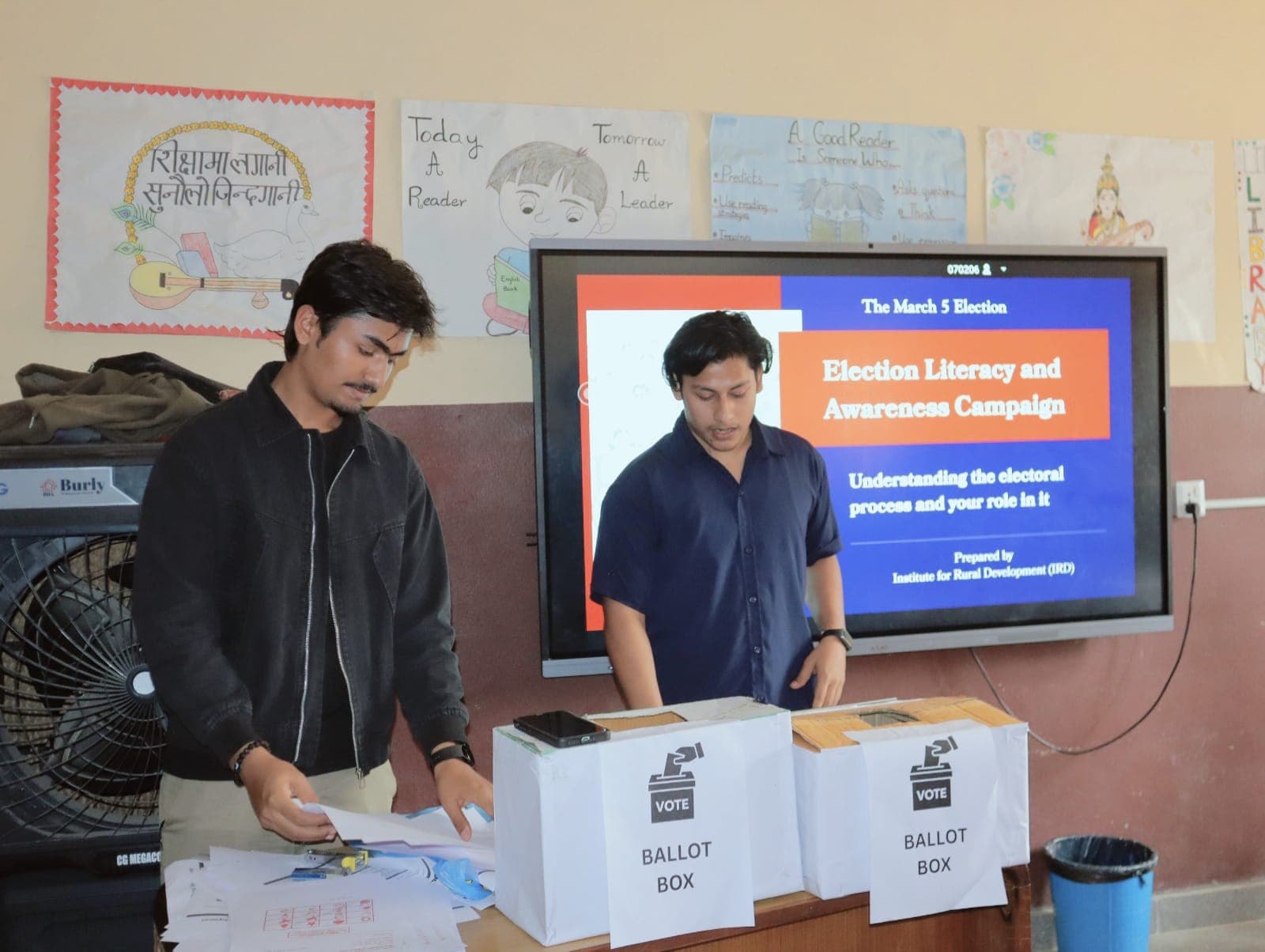
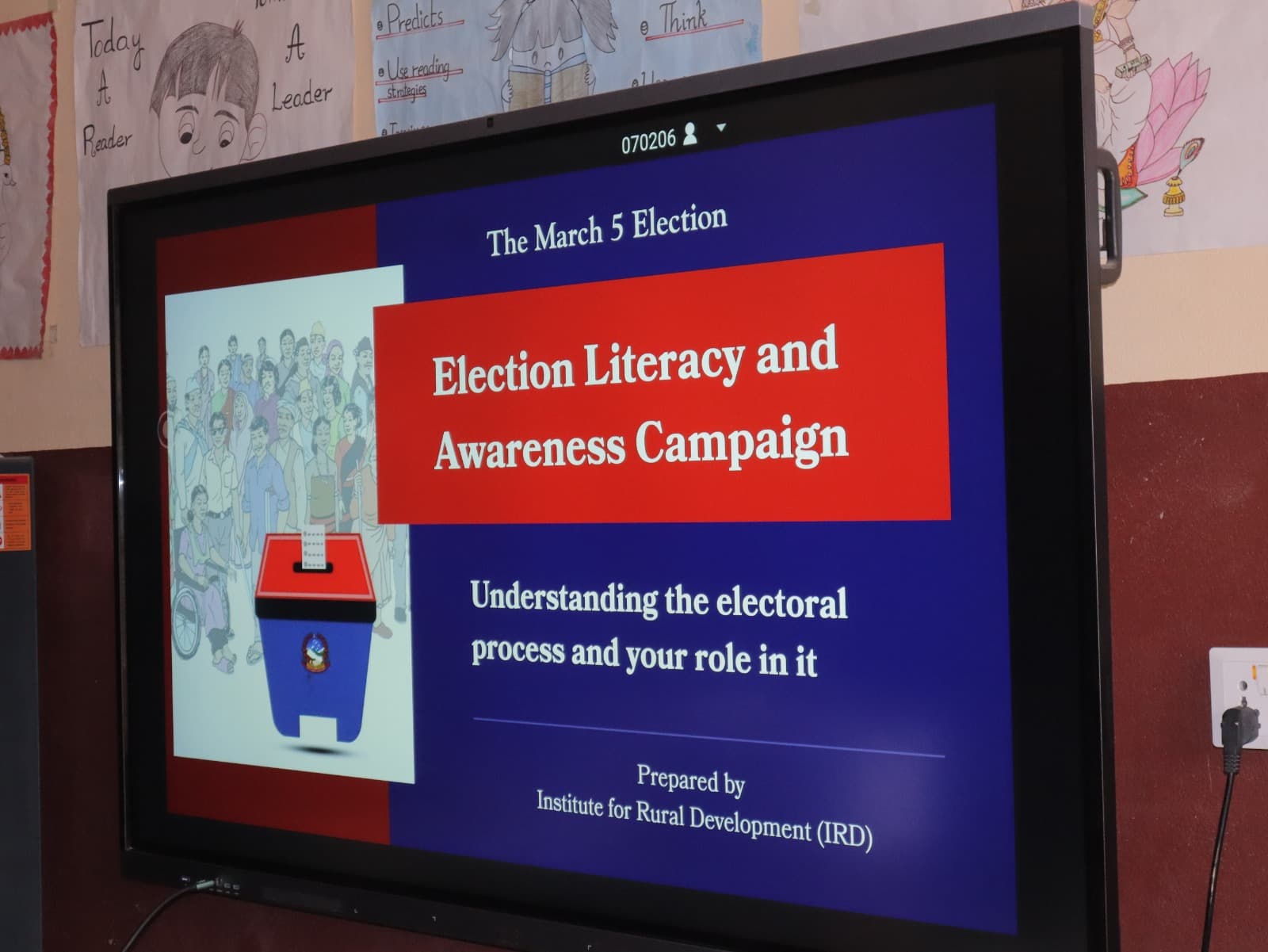
For the sake of effective election to elect an authentic parliament, it is critical to spread awareness about why the election is happening and the overall election literacy. Institute for Rural Development (IRD) is launching the National Election Literacy Campaign, targeting students from grade 9 to 12 across the nation.

Our goal is not only to equip them with clarity, confidence, and resources to navigate the election process but also to spread the essence and mandate of Gen Z revolt through them. By making this campaign a success, we are determined to pay homage to the martyrs of the GenZ protest.

What We're Doing

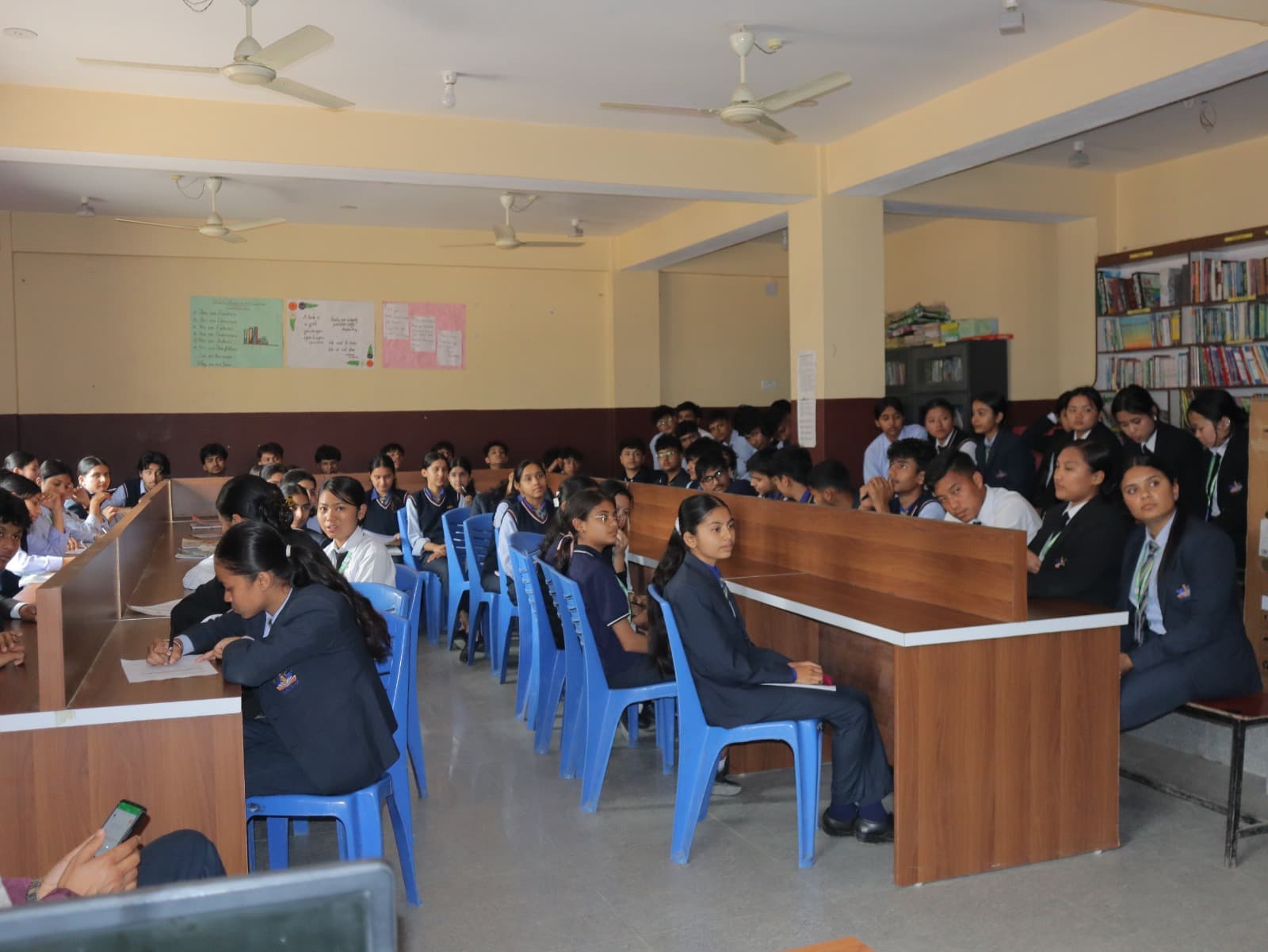
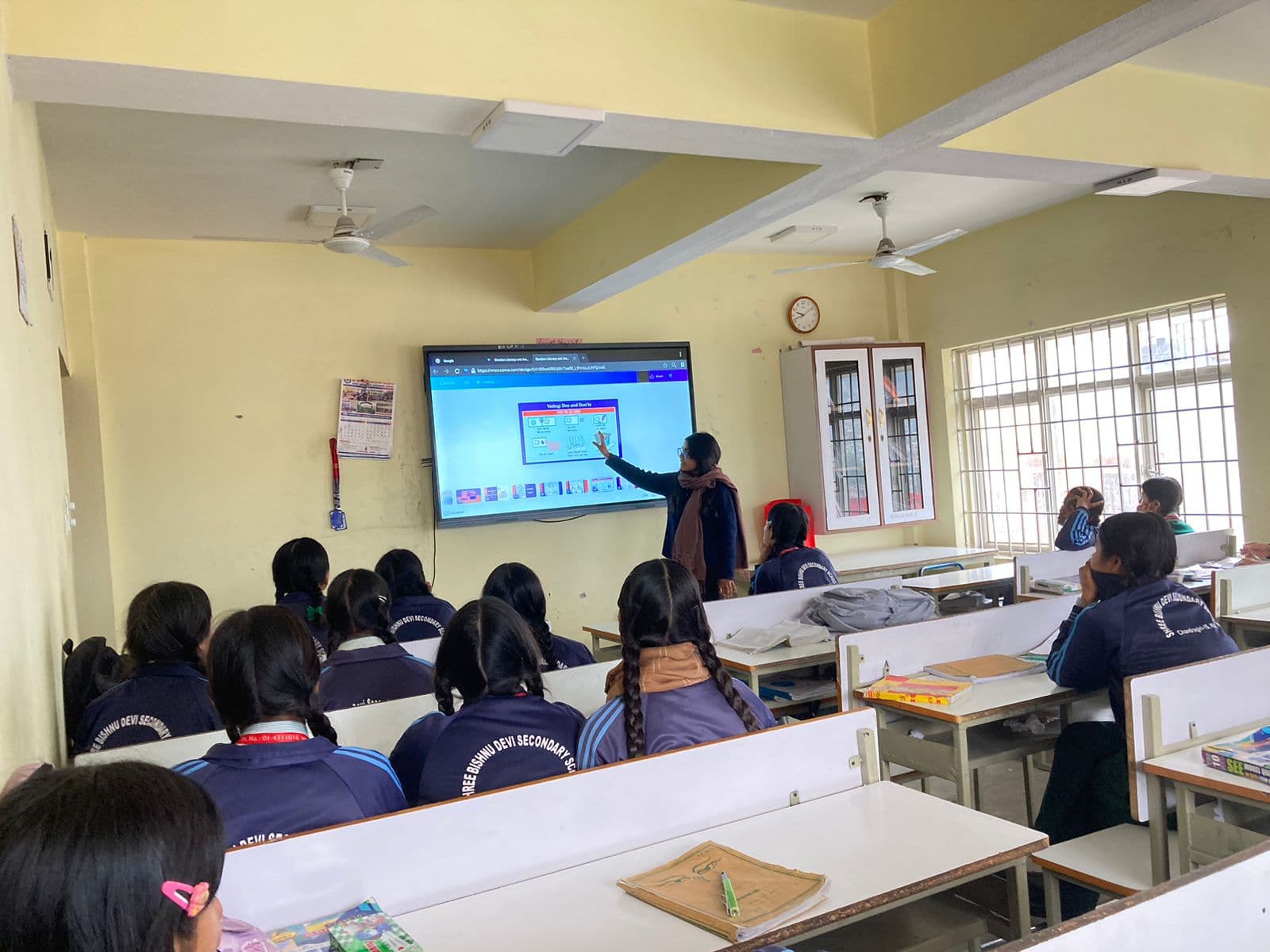
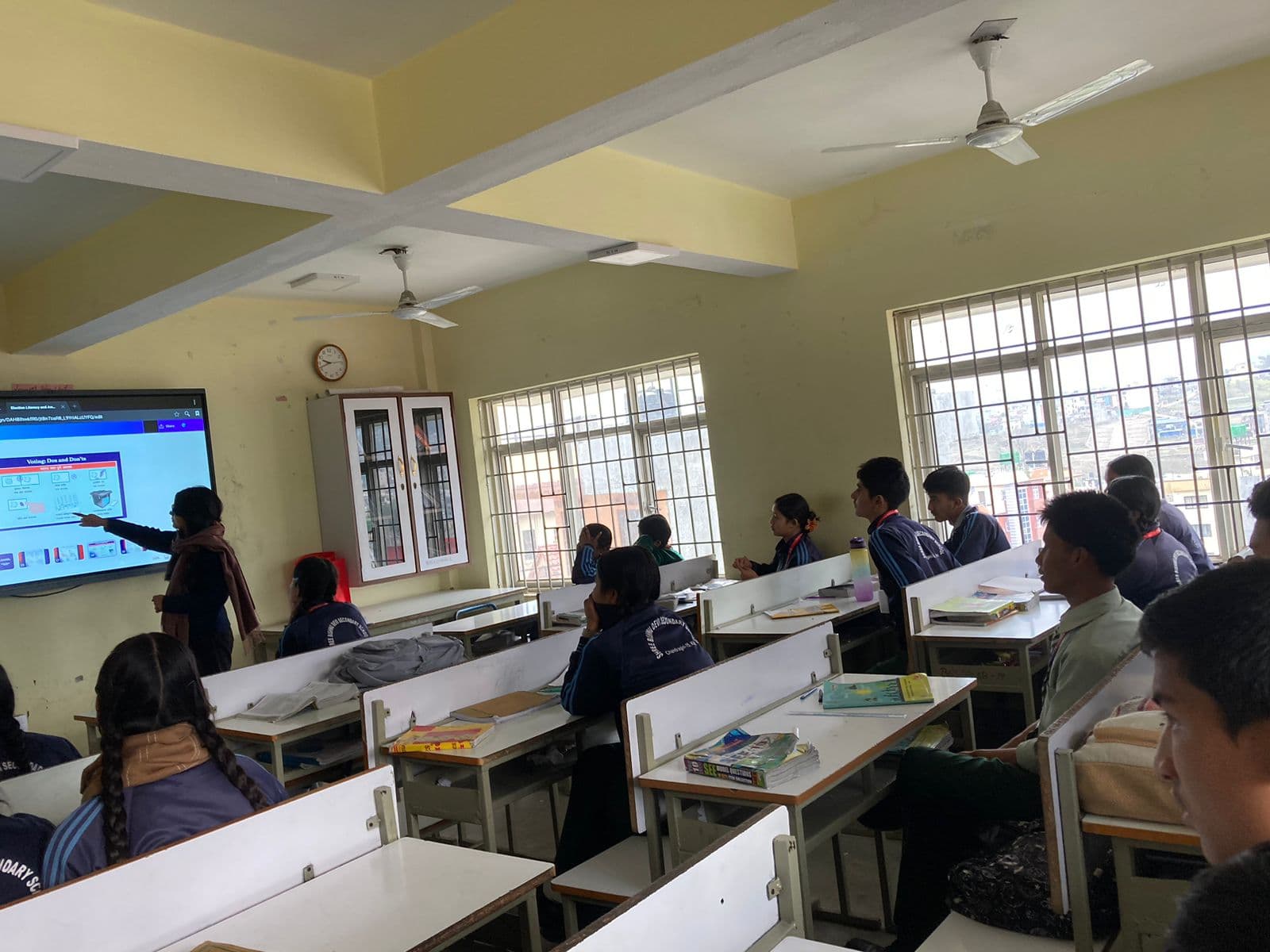
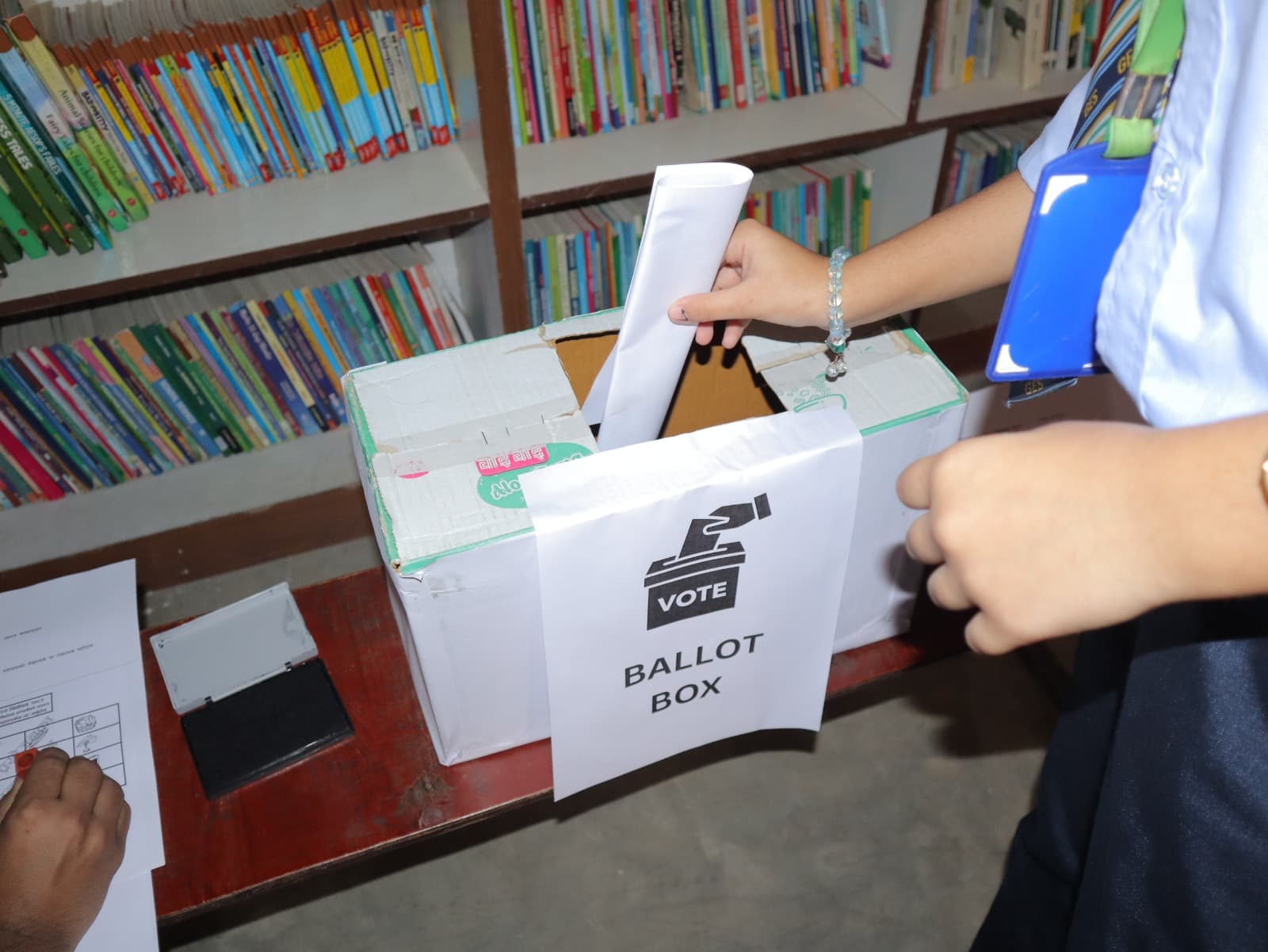
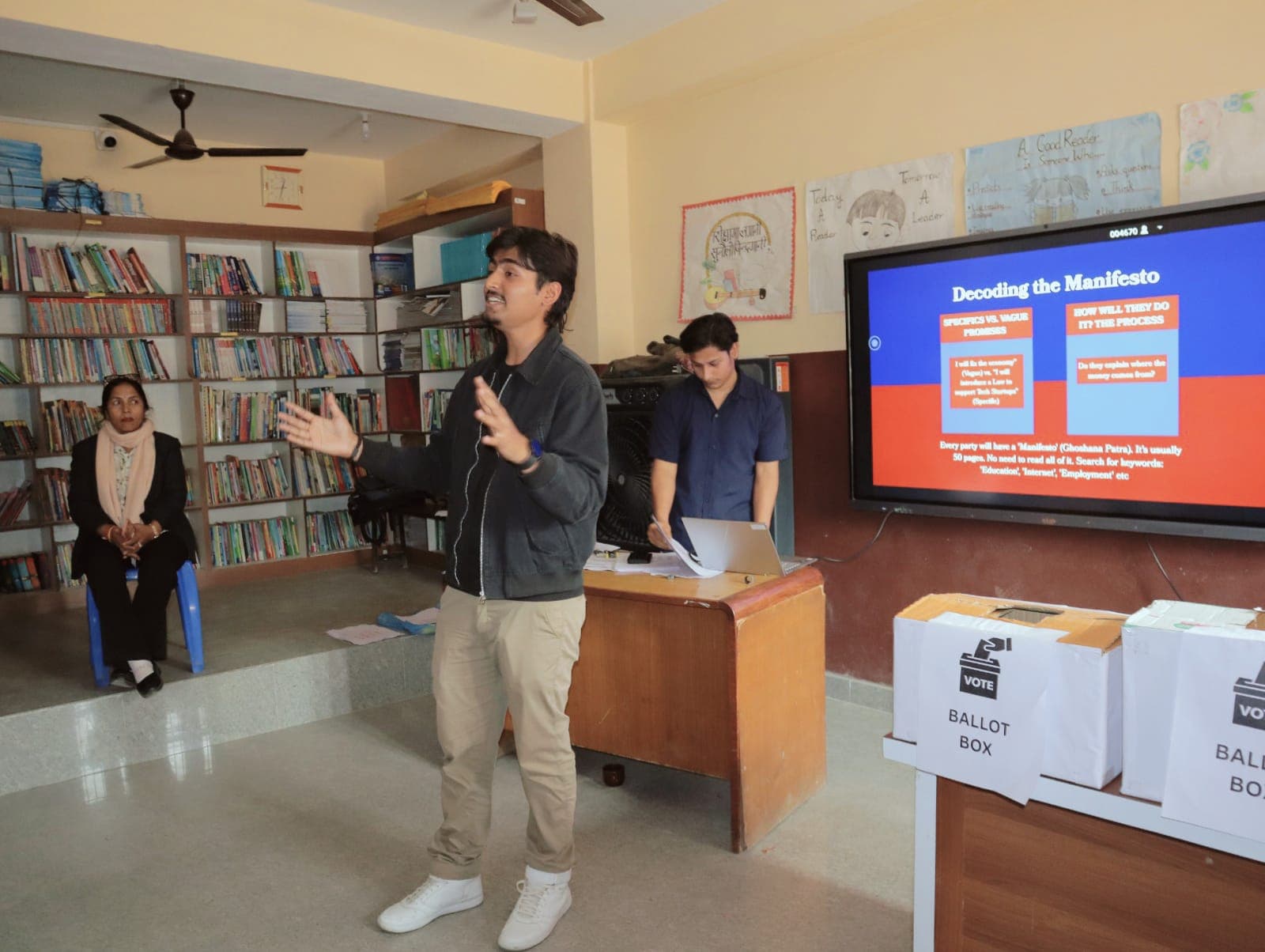
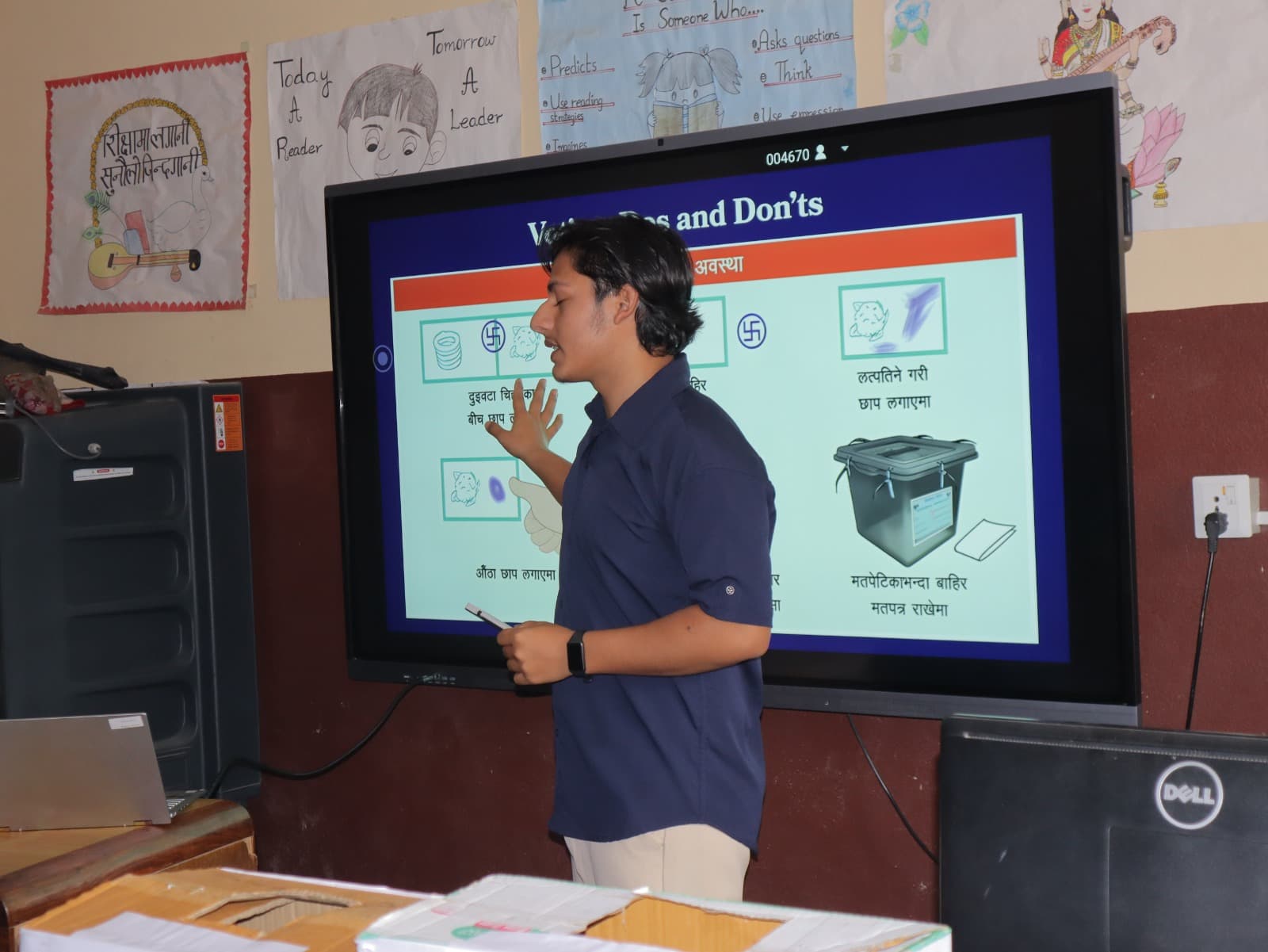
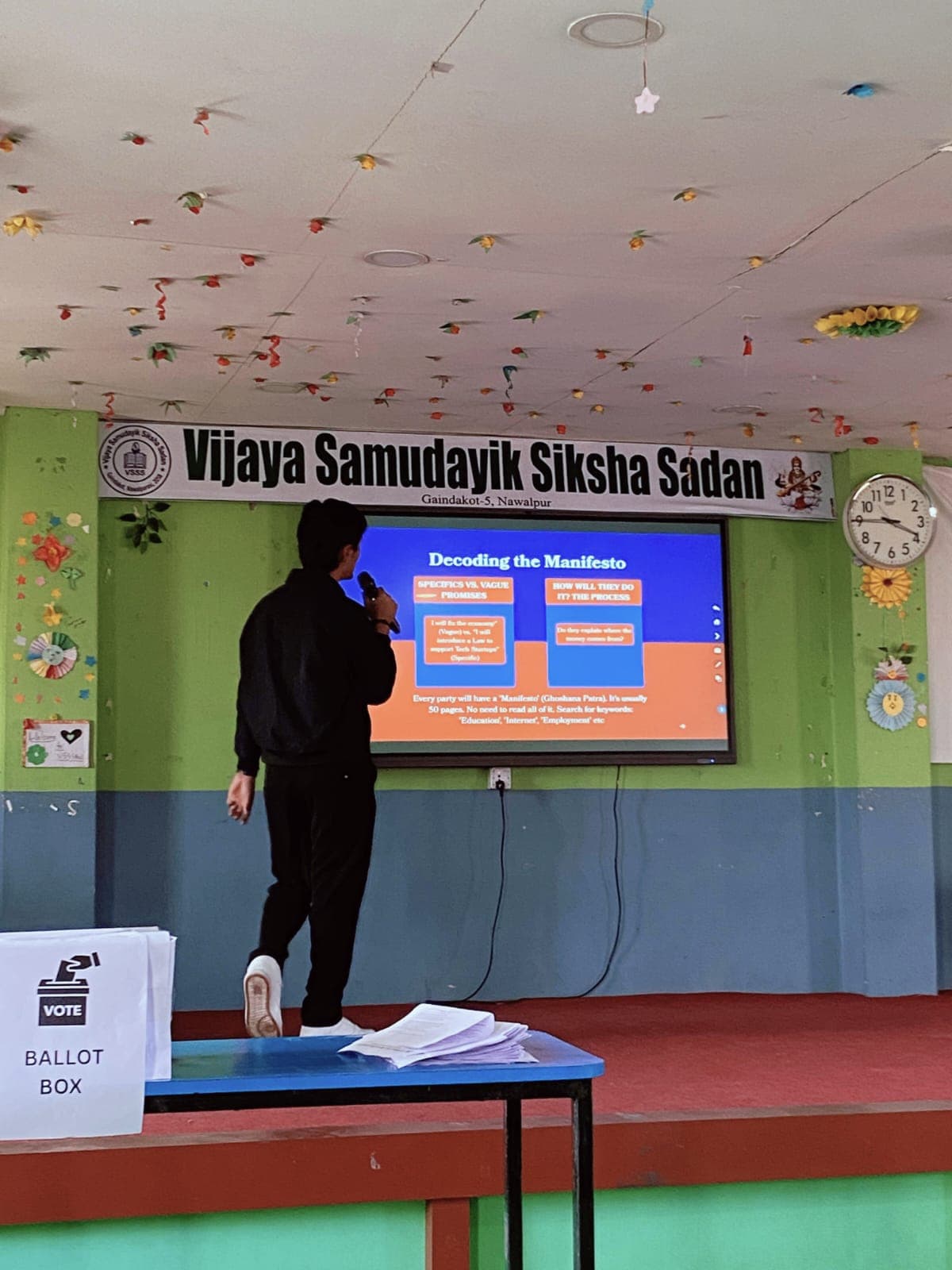
We plan to create a comprehensive PowerPoint slide deck on election literacy and conduct 45min – 1 hr session in schools. The key topics in the session include:

  • Voting rights, procedures, and constitutional provisions

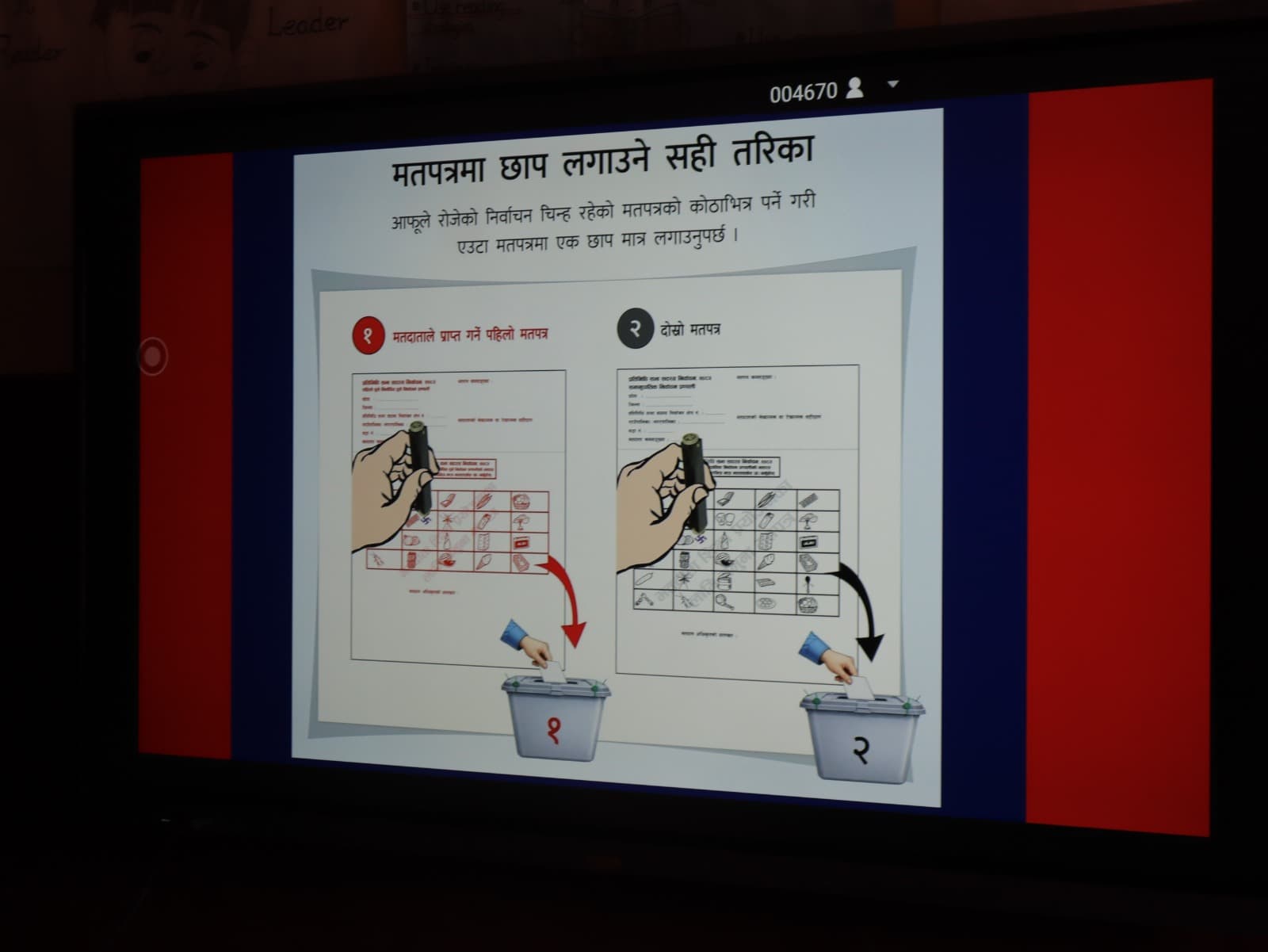
  • Practical Guidance on voter registration, ID requirements, and Election Day Processes

  • Education on research methodologies for evaluating candidates and parties

  • A brief slideshow of the GenZ protest and its mandate followed by a 1 min silence to honor their sacrifice

  • At the end of each session, we provide a resource kit for each student to spread awareness in their family. They receive a gold certificate as an incentive for their extra effort.

Why This Matters

Nepal's democracy functions primarily as a procedural exercise than a meaningful practice of citizen participation. Despite multiple elections, the foundational principles of informed choice, accountability, and representation remain underdeveloped. This eventually leads to an indolent and visionless parliament in the nation.

Key problems that can negatively impact the elections include:

  • Procedural confusion: Limited understanding of voter registration, election processes, and candidate evaluation methods, especially among new eligible voters

  • Blind Party Allegiance: Voting decisions driven by traditional party loyalty rather than candidate merit

  • Identity politics: Electoral choices influenced by ethnic, regional, or familial affiliations rather than democratic principles

  • Political apathy and Low Participation: Faltering trust and faith in elections among older adult population

  • Information Asymmetry: Lack of proper resource kit to rely on

Our Target Audience

We strategically focus on high school students (Grade 9-12) as it provides significant advantages:

  • Logistical advantage: Conducting sessions in schools is more convenient than in communities. Schools already have students gathered from different parts of society, each representing their family and community. We don't have much time till the election begins, so empowering high school students helps us maximize our impact in minimum time through ripple effect.

  • Social Influence and multiplication effect: As Gen Z, they have a strong family and community connection, especially after how things evolved after the protest. They are more heard than ever before. Students serve as campaign ambassadors, equipped with resource kits and emotional motivation to spread knowledge in their families and communities.

  • Better digital preparedness: Being the Gen Z population, students are better integrated with technological tools. This gives us extra benefit to drive our digital strategies through social media and our organization website. We have a robust structure to track our campaign and measure its impact through digital certificates and surveys.

Implementation Strategy

Our comprehensive approach includes multiple interconnected strategies:

  • Content Development: We're creating student-friendly PowerPoint slides that students can comprehend and use to teach others. We have two versions - one for IRD volunteers conducting school sessions, and another student version for them to educate their families and communities.

  • Social Media Campaign: Leveraging TikTok, Facebook, and Instagram to spread engaging and informative content through short videos, collaborating with influencers to reach rural areas where literacy is lower.

  • Volunteer Training: Each volunteer will be trained by the Campaign Director through programs held in major cities like Kathmandu, Butwal, Pokhara, Dhangadhi, and Chitwan between Dashain and Tihar. Virtual training will also be available for those facing travel constraints.

  • Volunteer Mobilization: Once trained, volunteers will pick geographical areas and form local teams to conduct sessions at schools within their radius. Weekly meetings will track progress, challenges, and strategies.

Impact Measurement

We have a comprehensive system to measure the impact of our campaign:

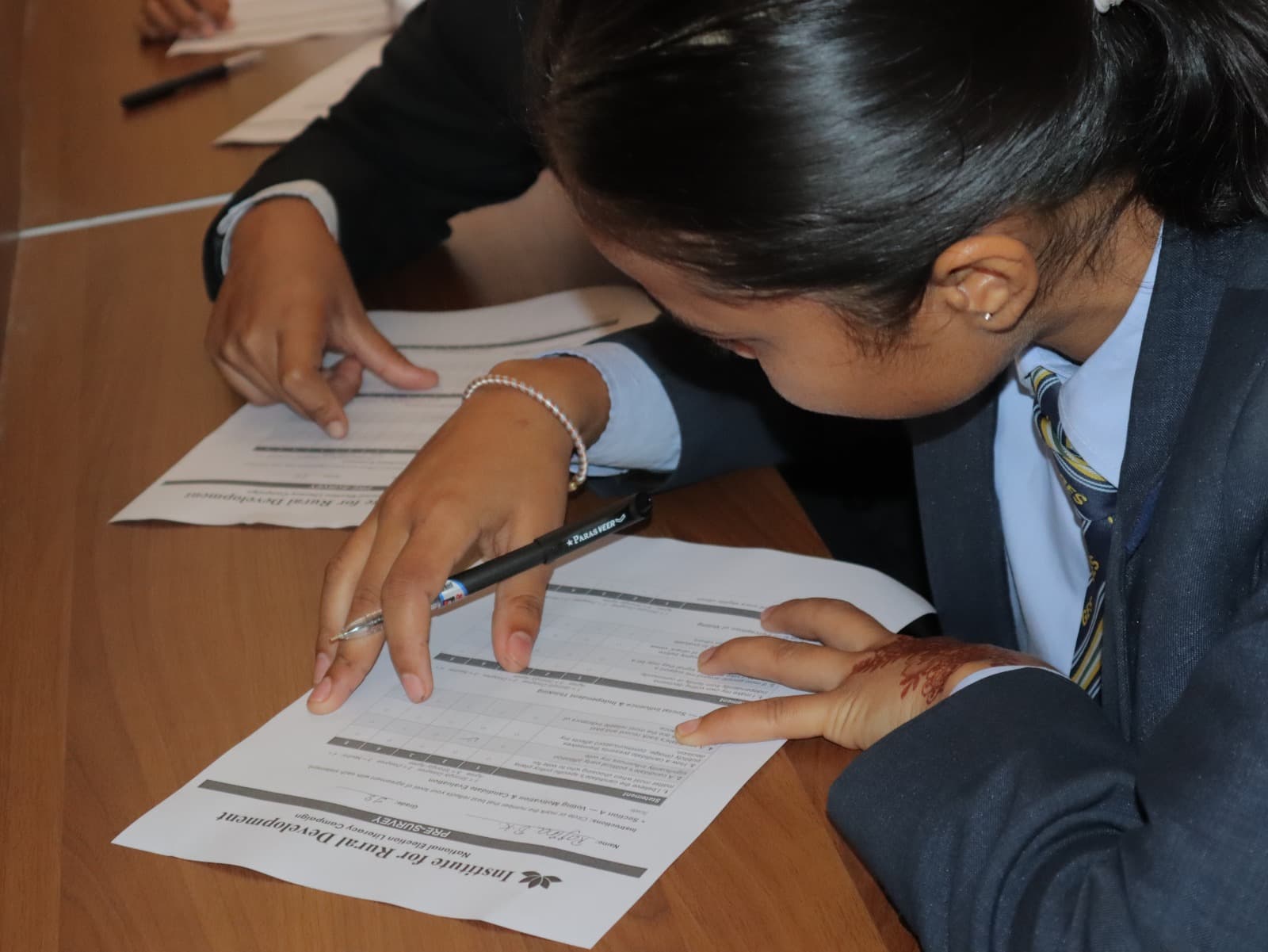
  • Pre/post session evaluations: Standardized assessments measuring improvement in electoral knowledge through Google forms with rating scales

  • Audience quantification: Tracking total number of students reached, schools visited, and students conducting local sessions

  • Volunteer quantification: Measuring the number of volunteers and local fellows involved

  • Digital engagement metrics: Tracking likes, comments, shares, and reposts on social media platforms

All data is collected through digital forms and made publicly visible on our website, ensuring transparency and accountability throughout the campaign.